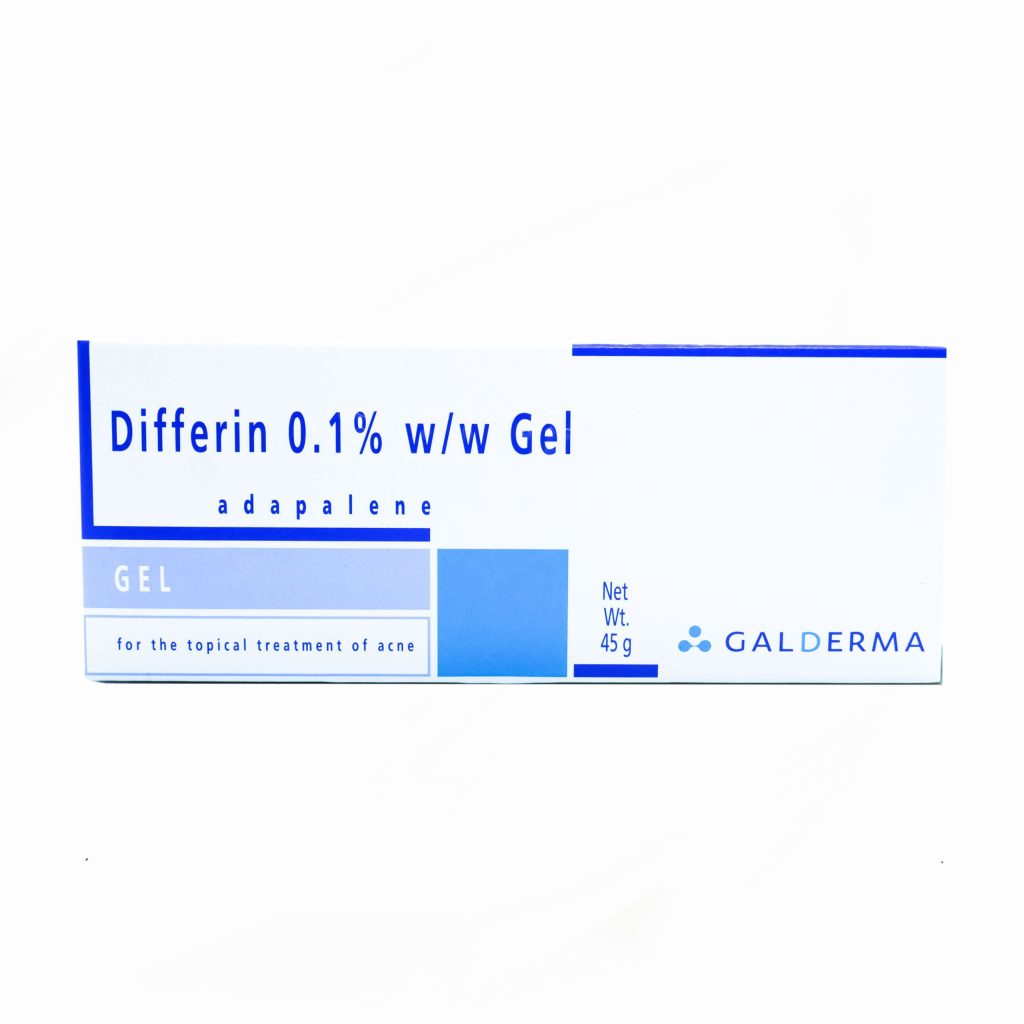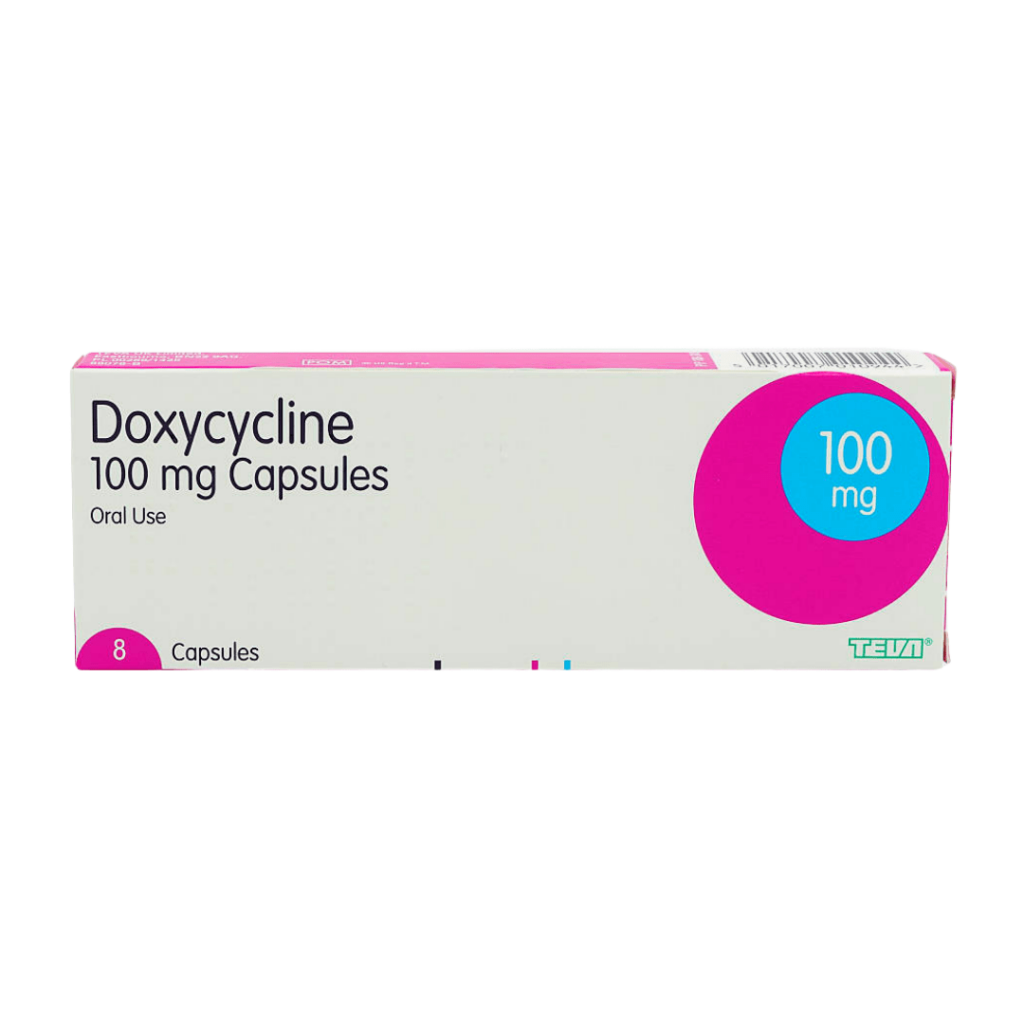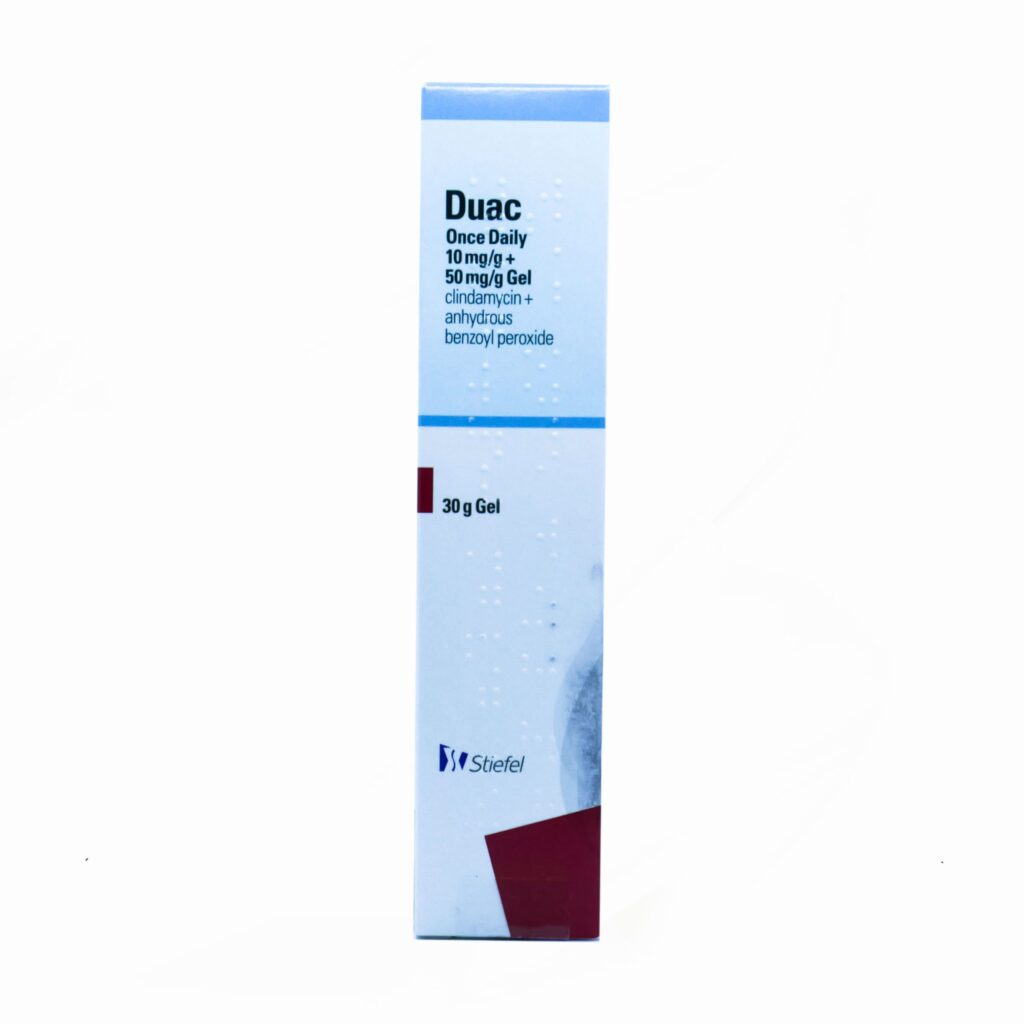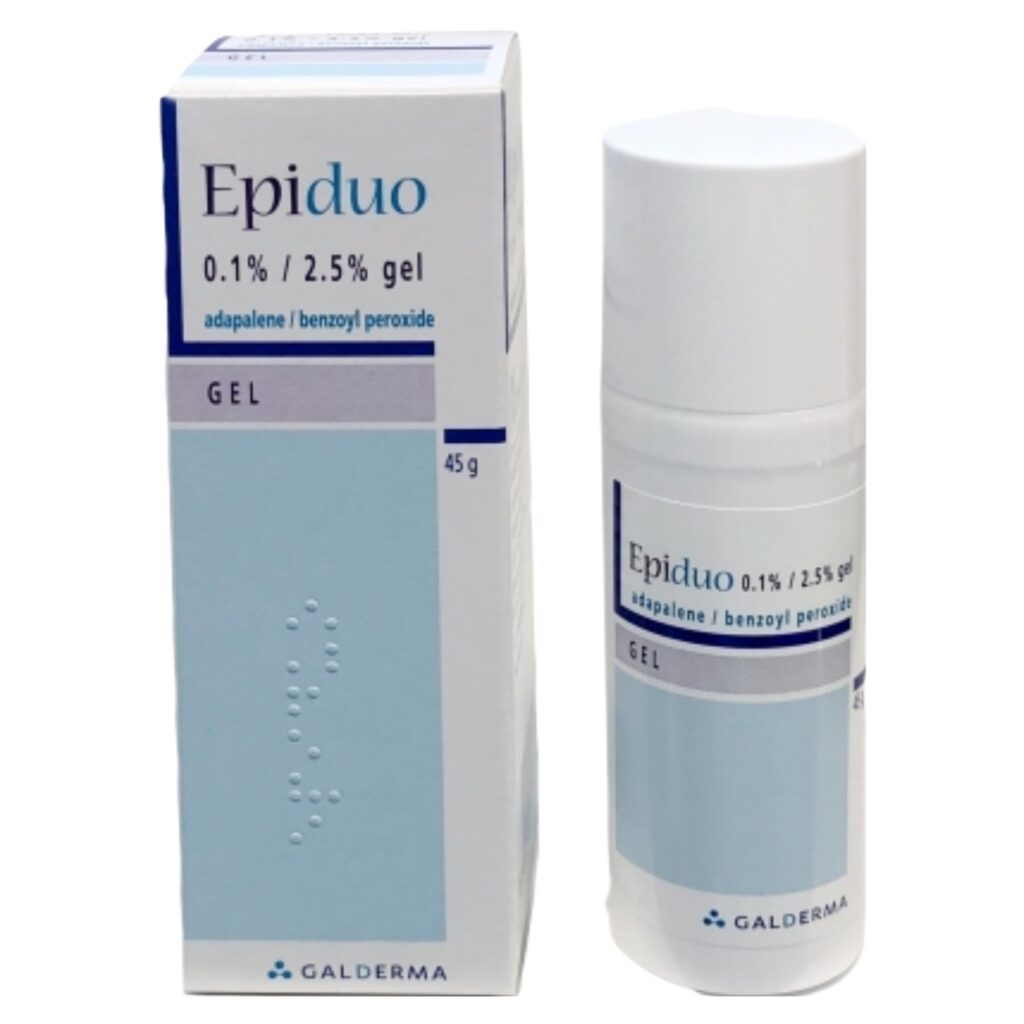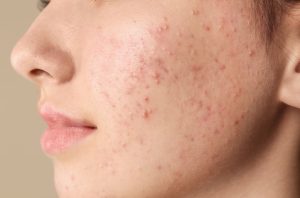
Acne is a common skin condition, particularly prevalent among teenagers and young adults, characterised by spots or pustules on the face, back, or chest. The occurrence of acne can be influenced by various factors such as age, hormonal changes, and lifestyle. Acne treatment involves understanding its root causes and implementing a skincare routine tailored to your skin type. By adopting suitable acne management strategies, you can reduce outbreaks and improve your skin’s appearance, enhancing your overall confidence.
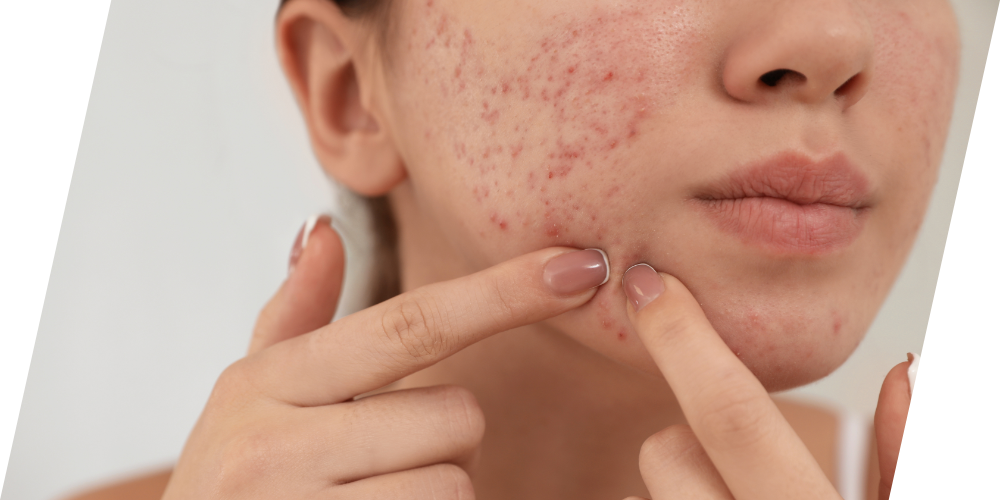
Acne is primarily caused by excess oil production, clogged pores, bacteria, and inflammation. Hormonal changes, genetics, certain medications, and environmental factors can also contribute to acne development.
The different types of acne include whiteheads, blackheads, papules, pustules, nodules, and cysts. These vary in severity and characteristics, ranging from mild to severe.
Acne is a common skin condition characterised by the formation of pimples, blackheads, whiteheads, and cysts on the skin. It usually occurs on the face, chest, back, and shoulders.
You can prevent acne by maintaining good skincare habits, avoiding pore-clogging products, keeping your skin clean, managing stress levels, eating a balanced diet, and avoiding picking or squeezing pimples. You can also try certain medications to prevent acne.
The severity of acne is determined by the number of lesions, types of lesions, and extent of inflammation. Mild acne typically consists of whiteheads and blackheads, while moderate acne includes papules and pustules. Severe acne involves nodules and cysts.
Acne develops when hair follicles become clogged with oil and dead skin cells. This creates an ideal environment for bacteria to thrive, leading to inflammation and the formation of pimples.
Popping pimples can worsen inflammation, increase the risk of scarring, and spread bacteria, so it’s generally not recommended. Instead, use acne treatments to help reduce inflammation and promote healing.
Yes, acne can occur on other parts of the body, including the chest, back, shoulders, neck, and buttocks. This is known as body acne or truncal acne.
You should wash your face twice daily with a gentle cleanser suitable for acne-prone skin. Overwashing can strip the skin of its natural oils and worsen acne.
Yes, it’s normal to continue experiencing acne into adulthood, particularly for women during hormonal fluctuations. Adult-onset acne can also be triggered by stress, medications, and lifestyle factors.
Yes, acne can be aggravated by hot and humid climates, as sweating can increase oil production and clog pores. Conversely, dry climates can lead to dry skin, which may trigger the overproduction of oil as a compensatory mechanism.
Blackheads and whiteheads can be treated with over-the-counter products containing ingredients like salicylic acid or benzoyl peroxide. Regular exfoliation and keeping the skin clean can also help prevent their formation.
Acne and rosacea are different skin conditions with similar symptoms, such as redness and bumps on the face. However, acne is characterised by the presence of comedones (blackheads and whiteheads), while rosacea often involves flushing, visible blood vessels, and thickened skin.
Hormonal acne in adults can be treated with oral contraceptives, anti-androgen medications, or hormone replacement therapy. Topical treatments containing retinoids or hormonal agents may also be effective.
Hormonal acne tends to occur around the chin and jawline, and may coincide with menstrual cycles or hormonal fluctuations. Stress-related acne may appear suddenly during periods of increased stress and typically occurs on various areas of the face.
Home remedies for acne treatment may not be backed by scientific evidence and could potentially worsen acne or cause skin irritation. It’s important to use caution and consult with a healthcare professional before trying any home remedies.
Acne is a common skin condition that affects people of all ages, not just teenagers. At WePrescribe, we regularly support individuals who experience acne that impacts their confidence, comfort, and daily life, whether it is mild and persistent or more severe and inflamed.
Acne develops when hair follicles become blocked with excess oil and dead skin cells. This creates an environment where bacteria can grow, leading to inflammation and visible spots. Hormones play a significant role in this process, which is why acne often appears during puberty, pregnancy, or times of hormonal change.
Although acne is not harmful to physical health, it can be long-lasting without the right support and treatment.
Acne can appear in several forms, and understanding the type of acne present can help guide treatment choices and expectations.
Some people experience blackheads and whiteheads, which are caused by blocked pores and are usually less inflamed. Others develop red, swollen spots such as papules and pustules, which may be sore or tender to the touch.
More severe acne can include nodules or cysts, which form deeper under the skin and can be painful. These types of acne are more likely to lead to scarring if not treated appropriately. Acne can affect the face, chest, back, shoulders, and jawline, depending on oil gland activity.
Common Causes and Triggers of Acne
Acne is rarely caused by a single factor. Instead, it usually develops due to a combination of internal and external influences acting together over time.
Common contributing factors include:
Stress does not directly cause acne, but it can worsen breakouts by affecting hormone levels and skin inflammation.
Although acne is commonly associated with teenagers, many adults experience ongoing acne or develop it later in life.
Teenage acne is largely driven by hormonal changes that increase oil production during puberty. Adult acne may be influenced by hormones, lifestyle factors, skin care habits, or stress levels. Some adults notice breakouts that follow a monthly pattern or appear mainly around the jawline and chin.
Adult acne can be particularly frustrating, especially for those who expected it to improve with age. Support and tailored treatment can make a significant difference.
Acne can affect more than just the skin. For many people, it has a noticeable impact on confidence, self-esteem, and emotional well-being.
Visible breakouts may cause people to feel self-conscious in social situations or at work. Persistent acne can lead to frustration, anxiety, or low mood, especially if treatments have not worked in the past.
At WePrescribe, we recognise that acne is not simply a cosmetic concern. Supporting mental well-being alongside physical symptoms is an important part of acne care.
Mild acne may improve with time and consistent skin care, but many people benefit from medical treatment to control symptoms and prevent worsening.
Treatment may be appropriate if acne is painful, spreading, leaving marks, or affecting confidence and quality of life. Early intervention can also help reduce the risk of scarring and long-term skin changes.
Through an online consultation, our pharmacists assess acne severity, affected areas, duration, and previous treatments to determine whether prescription treatment is suitable.
There are several treatment options available for acne, depending on the type and severity of the condition.
Topical treatments are applied directly to the skin and may help unclog pores, reduce bacteria, or control oil production. These treatments are often used for mild to moderate acne.
In some cases, oral medication may be recommended, particularly for acne that is widespread, inflamed, or not responding to topical treatment alone. Treatment plans are tailored to individual needs and reviewed for safety and suitability.
Acne treatments work in different ways, and results are usually gradual rather than immediate.
Some treatments reduce oil production, while others prevent pores from becoming blocked or reduce the amount of acne-causing bacteria on the skin. Certain treatments focus on calming inflammation and preventing new spots from forming.
It is common for acne to appear slightly worse during the early stages of treatment before improvement is seen. This phase is temporary, and continuing treatment as advised is important for long-term results.
A simple, gentle skin care routine can support acne treatment and reduce irritation.
Cleansing the skin twice daily with a mild cleanser helps remove excess oil without stripping the skin. Harsh scrubs, alcohol based products, or overwashing can irritate the skin and worsen breakouts.
Using non-comedogenic moisturisers helps maintain the skin barrier, especially when treatments cause dryness. Sunscreen is also important, as some acne treatments can increase sensitivity to sunlight.
Diet and acne have been widely discussed, and individual responses can vary significantly.
Some people notice flare-ups linked to foods high in sugar or heavily processed products. Others report changes when consuming dairy. However, there is no single diet that works for everyone with acne.
A balanced diet that supports overall health is generally recommended. Paying attention to how your skin responds to different foods may help identify personal triggers without unnecessary restrictions.
Inflammatory acne can sometimes lead to scarring or long-term changes in skin texture and pigmentation.
The risk of scarring increases when spots are picked, squeezed, or left untreated. Treating acne early and following treatment advice can help reduce this risk.
If scarring is already present, specialist treatments may be available through dermatology services. Preventing further acne is often the first step in managing long-term skin changes.
Hormones play a significant role in acne for many women. Breakouts may worsen around menstrual cycles or during periods of hormonal change, such as pregnancy or menopause.
Some women experience acne linked to underlying conditions such as polycystic ovary syndrome. In these cases, hormonal treatments may be considered alongside other acne therapies.
During the consultation, our pharmacists assess whether hormonal factors may be contributing and whether further investigation or referral is needed.
Men can also experience persistent or severe acne, often affecting the face, chest, and back.
Higher levels of androgens can increase oil production, making pores more likely to become blocked. Acne in men may be more inflammatory and sometimes more prone to scarring.
Treatment options are tailored to individual needs and consider skin type, affected areas, lifestyle factors, and previous treatment history.
Further medical advice should be sought if acne is severe, painful, or not responding to treatment. Sudden changes in acne severity or appearance should also be assessed.
People who experience acne alongside other symptoms, such as irregular periods, unexplained weight changes, or excessive hair growth, may require further investigation.
Referral to a GP or dermatologist may be recommended in some cases.